What Should You Know About Cold Sores Before Resuming Oral Care?
Cold sores generally progress through five stages: tingling, blistering, weeping, crusting, and healing. Once the healing stage begins, the sore becomes less infectious, but the mouth may remain sensitive and might require temporary postponement of routine check-ups and cleans.
It’s important to wait until the sore is completely healed before resuming dental visits, sharing items, or using products that came into contact with the lesion. This helps ensure the virus is no longer active and the risk of spreading is minimised, protecting both you and potentially requiring an emergency dentist if complications arise.
What Immediate Oral Hygiene Steps Should You Take After Healing?
Caring for your mouth after a cold sore involves more than simply waiting for the lesion to disappear. Once the sore has crusted and healed, several hygiene measures can help reduce reactivation and support healthy tissue recovery, maintaining strong oral health fundamentals.
Key Actions to Take:
- Replace your toothbrush to avoid reintroducing the virus.
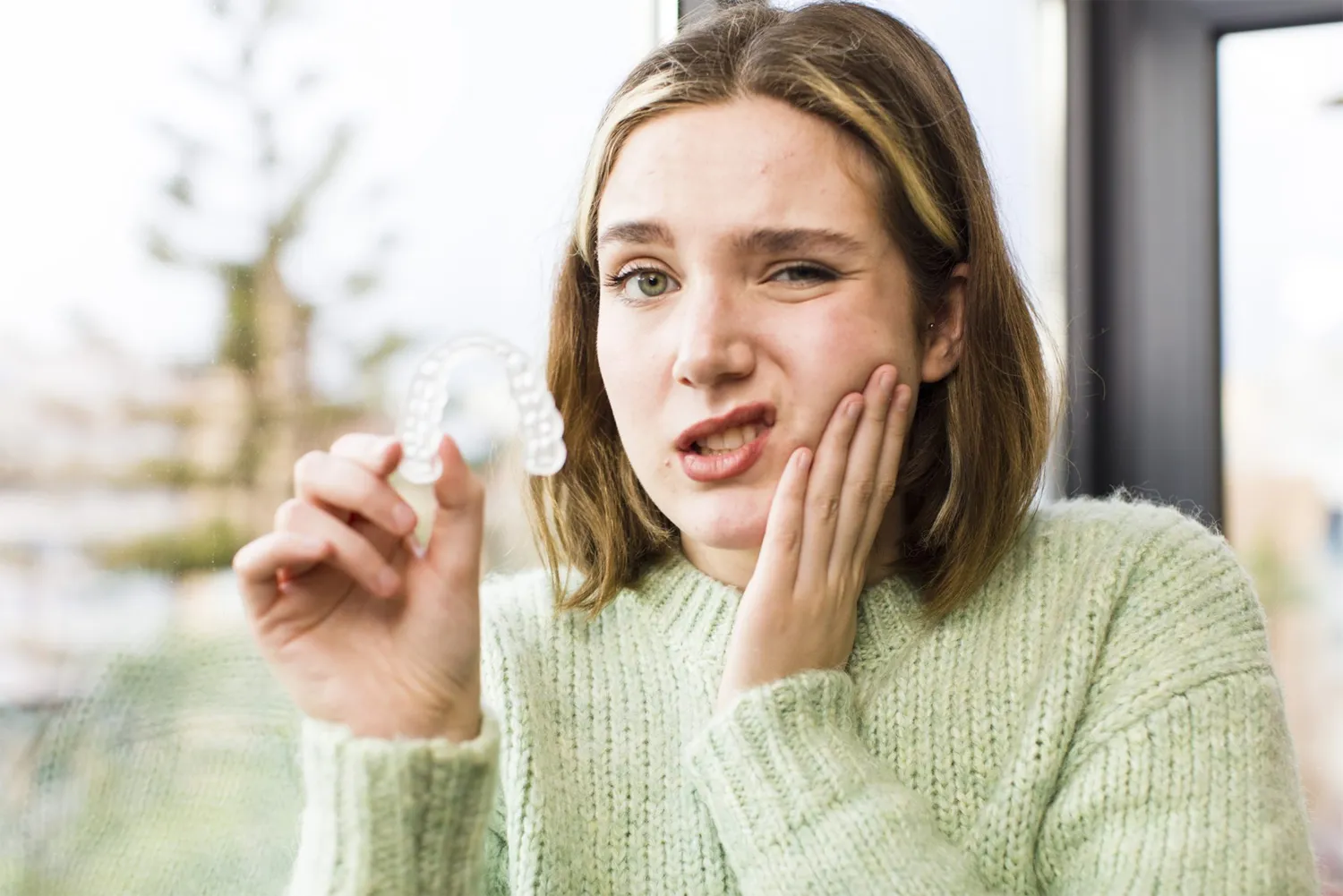
- Clean oral appliances, including retainers, aligners like Invisalign, mouthguards and occlusal splints, and dentures.
- Resume gentle brushing with a soft-bristled toothbrush.
- Rinse with a non-alcoholic mouthwash to avoid dryness.
- Avoid using old lip products such as lip balms or lipsticks used during the outbreak.
- Wash hands thoroughly before brushing or flossing.
Why Should You Avoid Dental Visits Until the Cold Sore Fully Heals?
Dental procedures involve close contact with the mouth and may risk spreading the virus to others or to different areas of your own face. For this reason, dental appointments including general dentistry procedures, cosmetic dentistry treatments like teeth whitening, or placements of braces should be postponed until all signs of the cold sore have resolved. This protects both you and the clinical team.
If an appointment is already scheduled, it’s important to notify your dental clinic so they can reschedule appropriately.
What Can You Do to Reduce the Risk of Future Outbreaks?
Although cold sores cannot be cured, certain practices can reduce their frequency. The herpes simplex virus remains dormant in the body and may be reactivated by triggers such as fatigue, illness, sun exposure, or stress, particularly affecting those with dental anxiety or high-stress levels. Post-outbreak care is key to prevention.
Recommended Preventative Measures:
- Apply lip balm with SPF when outdoors.
- Stay hydrated to support mucosal health.
- Avoid known triggers such as stress or harsh weather.
- Support immune function with balanced nutrition and adequate rest.
- Do not share towels, lip products, or cutlery.
What Should You Avoid Doing After a Cold Sore?
Certain behaviours can increase the risk of recurrence or irritation after a cold sore, particularly for those undergoing treatments like veneers or comprehensive smile makeover procedures.
Common Mistakes to Avoid:
- Picking or peeling at the scab or dry skin
- Applying makeup over healing sores
- Using unclean or old oral care tools
- Sharing personal items that contact the mouth
- Using alcohol-based rinses or harsh toothpaste
- Scheduling dental visits before the sore has fully healed
What Are the Most Important Aftercare Tips?
Once your cold sore has healed, the focus should be on maintaining a hygienic oral environment and avoiding common triggers, whether you’re maintaining natural teeth or have dental implants or dental crowns and bridges.
Do’s and Don’ts Summary Table
| Action | Why It Matters |
|---|---|
| Replace your toothbrush | Reduces risk of reinfection |
| Avoid dental treatment during outbreaks | Helps prevent spread of virus |
| Keep lips moisturised | Prevents cracking and supports healing |
| Disinfect oral appliances | Maintains hygiene and reduces exposure |
| Wash hands frequently | Reduces viral transfer to others or other body areas |
| Avoid known triggers | Lowers chances of recurrence (e.g., stress, sun) |
When Can You Return to a Normal Oral Hygiene Routine?
Once the sore has fully healed and the skin has regenerated, you can return to a standard oral hygiene routine. Continue using a soft-bristled toothbrush, floss gently, and choose alcohol-free rinses if required. Dental hygiene products should be kept clean and stored in dry environments to minimise bacterial build-up, especially important for those with gum disease concerns.
How Can You Protect Others From Infection?
Cold sores are highly transmissible, even shortly after the visible lesion heals. To protect others, including paediatric dentist patients and family members:
- Avoid kissing or close facial contact until the area is fully healed.
- Do not share utensils, straws, or cups.
- Avoid sharing towels or pillowcases.
- Maintain hygiene of shared surfaces in the bathroom or home.
Why Should You Be Mindful of Lip and Skin Products?
Products that come into contact with the sore, such as lip balms, glosses, or face towels, may harbour residual virus particles. Using these again can increase the risk of recurrence or spreading the virus to others.
Post-outbreak steps include:
- Discarding lip products used during the outbreak
- Washing makeup brushes thoroughly
- Avoiding shared cosmetics or creams
Why Choose The Dental Cafe Camp Hill for Dental Care?
At The Dental Cafe Camp Hill, our team provides care that considers individual circumstances, including situations where recent cold sores may affect treatment timing. We follow strict hygiene protocols and ensure that appointments are scheduled appropriately to reduce risks of viral transmission.
Our clinic also provides guidance on safe home care practices after a cold sore and advice on when it is suitable to return for dental treatment, whether for routine care or advanced procedures like root canal treatment, wisdom teeth removal, or tooth-coloured fillings. Conveniently located in Camp Hill, we welcome individuals of all ages and provide evidence-based information to help you maintain your oral health with confidence.
References
- Better Health Channel – Cold Sores: https://www.betterhealth.vic.gov.au/health/conditionsandtreatments/cold-sores
- HealthDirect Australia – Cold Sores: https://www.healthdirect.gov.au/cold-sores
- Australian Dental Association – Infection Control: https://www.ada.org.au
Frequently Asked Questions (FAQs)
1. Can I brush my teeth after a cold sore?
Yes, but it is best to use a new, soft-bristled toothbrush after the sore heals and avoid brushing directly over any healing areas, particularly important for those with TMJ pain management needs.
2. Is it safe to visit the dentist after a cold sore?
Dental visits should be postponed until the sore has fully healed to reduce the risk of spreading the virus, especially before procedures like teeth removal or complex work.
3. Should I throw away my toothbrush after a cold sore?
Yes, replacing your toothbrush after an outbreak can help prevent reinfection, similar to maintaining hygiene after All-on-4 dental implants placement.
4. Can I use mouthwash during or after a cold sore?
Use alcohol-free mouthwash after healing to avoid irritation and support gentle hygiene, which also benefits those managing sleep apnoea with oral appliances.
5. How long after a cold sore should I wait to resume normal oral care?
Once the scab has fallen off and no open sores remain, it is generally safe to return to your regular oral hygiene routine and schedule any postponed dental treatments.
6. Are cold sores contagious even after they heal?
The risk reduces significantly once the sore has healed, but maintaining good hygiene and avoiding sharing items is still recommended to protect others and maintain overall oral health.
Disclaimer
All dental procedures involve potential risks and benefits. The information provided in this blog is general in nature and should not be taken as medical advice. We recommend that you seek guidance from a suitably qualified health professional before making decisions about your oral health. Where appropriate, you may also wish to consider obtaining a second opinion.
Any images or videos featured are shared with the informed consent of our patients and are intended for educational purposes only. They are not a guarantee of results, as every patient is unique. Treatment outcomes — including recovery, potential complications, and effectiveness — can vary from person to person.